
Garage, shed and under-house clearouts, Northern Beaches
Nobody moves off this peninsula in a hurry, and the houses know it. The garage, the shed and the under-house fill a year at a time until one day the car lives outside and the door only opens for more boxes. We take the whole backlog in one visit, at one figure you'll hear before a single thing is lifted.
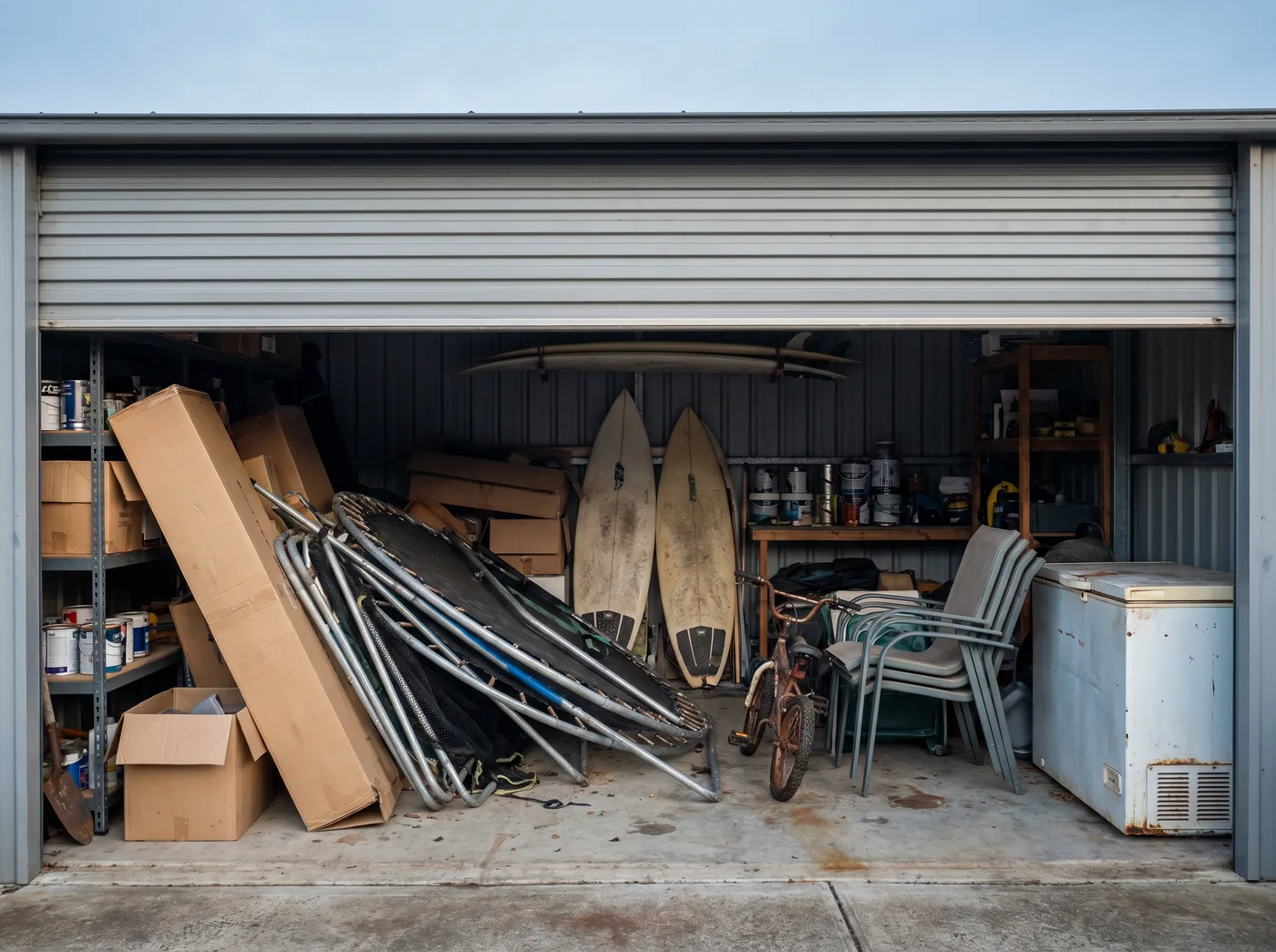
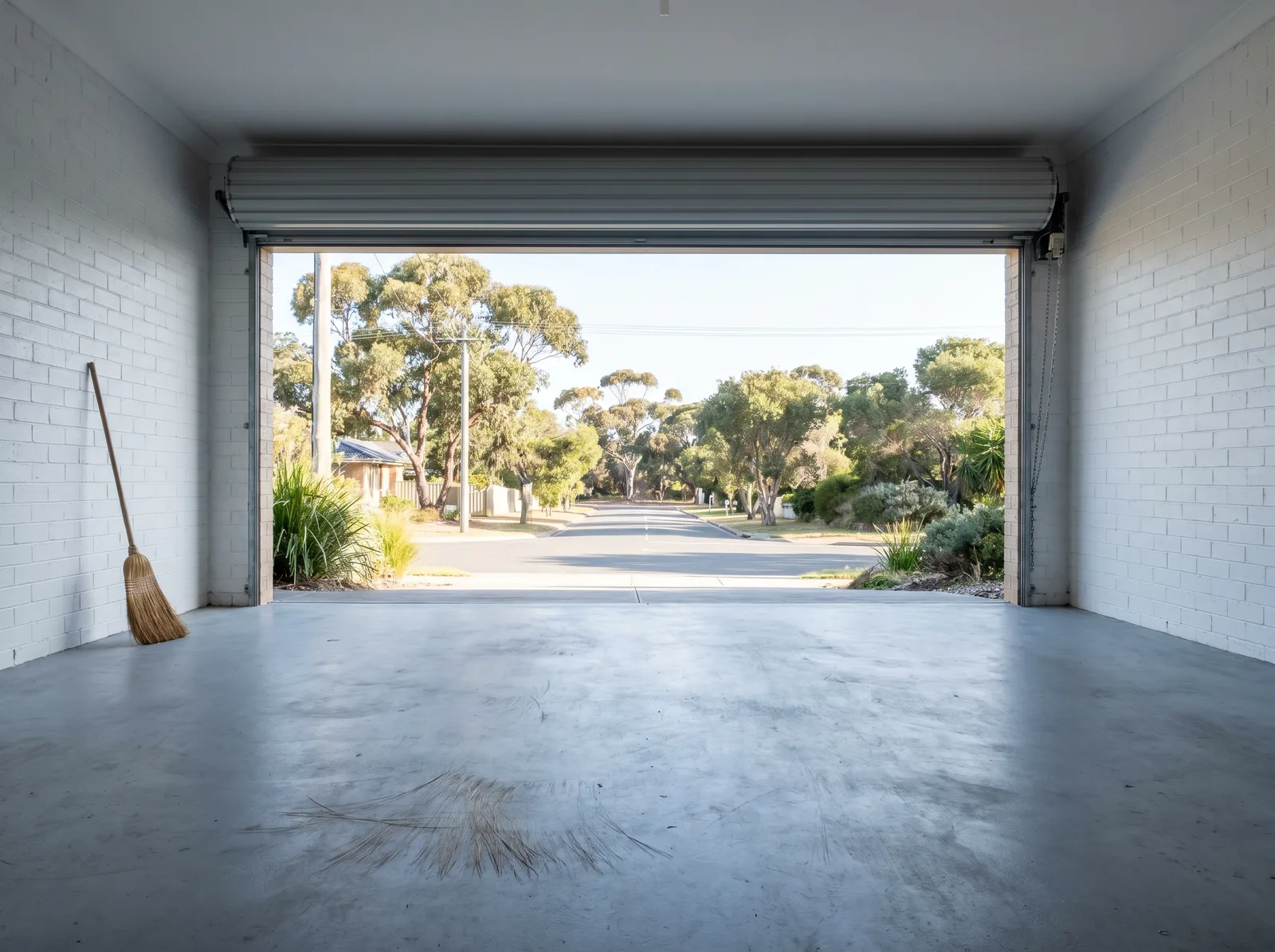
One figure buys the whole job
A whole-load clearout isn't a labour-hire arrangement where the meter runs while you watch. The figure we name covers the job from door-up to broom-down:
- All lifting and carrying, wherever the load sits: garage, shed, under-house, side path, backyard.
- Loading, and the sorting that happens on the truck: green waste one way, e-waste another, metal separated out.
- Every tip and transfer-station fee. They're our cost, inside the figure, never a surprise line at the end.
- The sweep. The slab gets left clean enough to plan what goes back in, which is usually the car.
What we'll ask you to keep aside: paint, chemicals, gas bottles and anything that looks like fibro. Those streams need licensed hands, and the honest version of why is here.
The figure itself is set per job, after we've seen the load or your photos. How that works, in words.
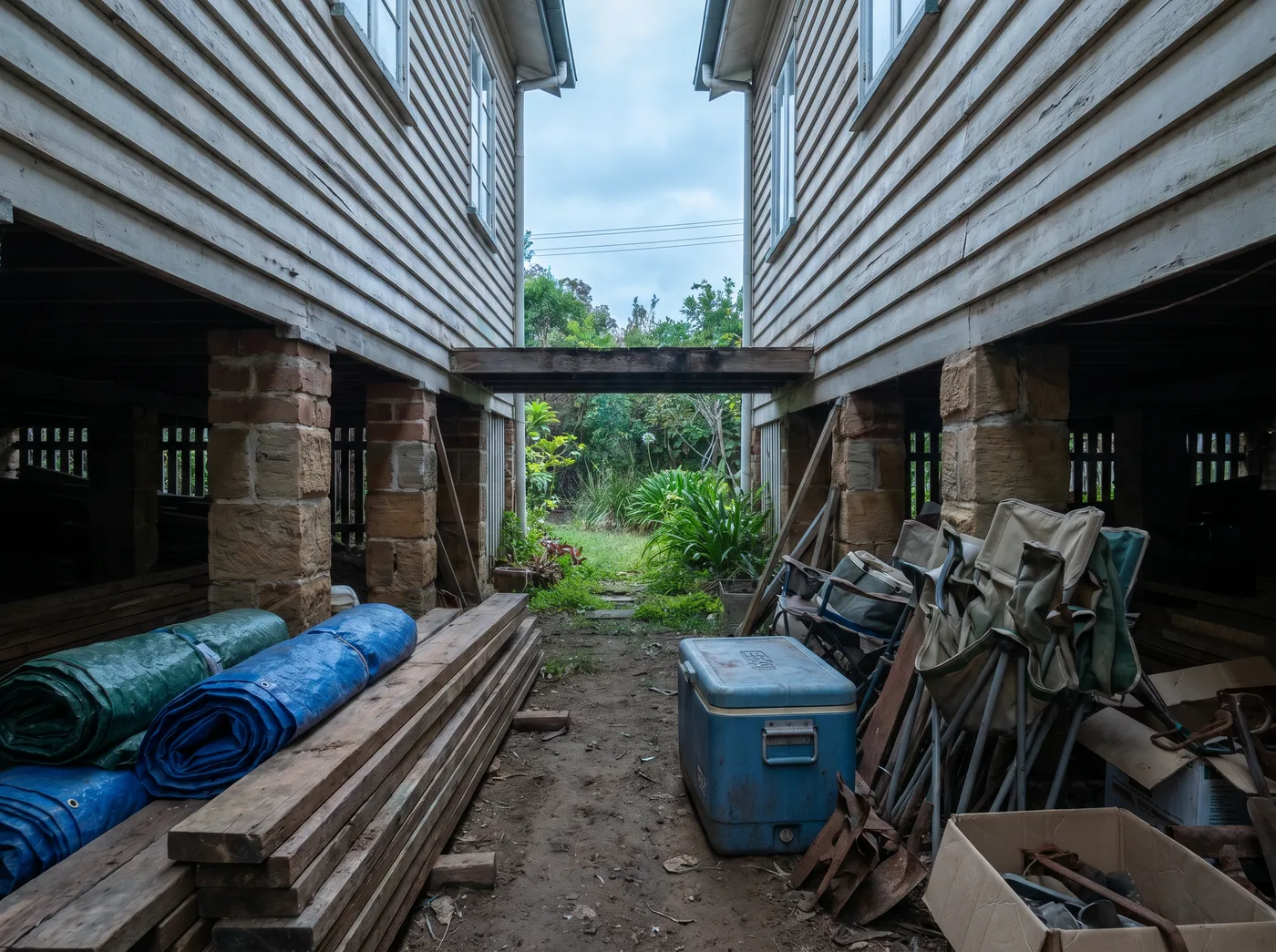
Under-house, side path, behind the shed
Half the storage on this peninsula isn't a garage at all. It's the space under a weatherboard house between the brick piers, the gap behind the shed, the side path where the offcuts from the deck went to wait. Low clearance, soft ground, one way in and out.
That's hand-carry work and we quote it honestly rather than discovering it on the day. Tell us in the enquiry that the load lives under the house or down a side path, and the figure we name will already include the slow carrying. It still doesn't move once agreed.
Same story for the steep driveways: plenty of garages here sit a full storey below the street. We've carried loads up them before and the smaller truck exists for exactly those jobs.
What comes out of a Beaches garage
Every load is different and somehow the same. The trampoline the kids outgrew, still holding its corner of the yard. Surfboards down to the ding that ended them. The paint tins from two repaints ago, the chest freezer that came with the house, camping gear from trips nobody's taken since. Boxes labelled in handwriting from the last move.
None of it is junk exactly, which is why it's still there. Our job isn't to judge the pile; it's to make it gone: sorted into the right streams, out in one visit, without you spending three weekends deciding one shelf at a time.
- trampoline frames
- surfboards + wetsuits
- chest freezers
- outdoor settings
- bikes in all sizes
- boxes from the last move
- offcuts + leftover timber
- the exercise gear
When the kerb is actually your best move
If the whole pile is furniture and boxes, fits inside three cubic metres, and you're happy to wait for a booking slot, the council cleanup costs you nothing and we'll say so. The Kerbside Forecast will tell you exactly that if it's true.
Where the kerb stops helping is where the real backlog starts: e-waste and reno offcuts it refuses outright, single items over 1.8 metres or 40 kilograms it leaves on the verge, and any load bigger than a booking. Two collections a year is the whole allowance, and most unit blocks share theirs building-wide. Those numbers are the council's own; the full comparison is here.
Questions we get at the garage door
Do I need to sort anything before you come?
No. Sorting on the truck is part of the job. The only homework is setting aside anything you're keeping, and pointing out paint, chemicals or gas bottles so they can be steered to the right drop-off instead of the tray.
Can you do it while I'm at work?
Often, yes. If the load is reachable without going through the house, and the figure and the day are agreed beforehand, we can clear while you're out and send photos of the swept slab when it's done.
What if half the garage is keep, not go?
Say so in the enquiry. Point at what goes and what stays when we look at the job, and the figure only ever covers the go pile. We're careful around the keep pile; it stays exactly where it was.
How big a load can one visit handle?
Bigger than you'd think. Truck-and-two clears most garages in a single run; a serious backlog gets a bigger crew or a second truck, planned into the same figure. The point of the model is that the size conversation happens before the day, not during it.
Is a rainy day a problem?
For a kerb pile, yes. For us, rarely: garage and under-house loads are under cover by definition. If weather genuinely gets in the way of an outdoor load we'll re-set the day with you rather than deliver a soggy half-job.
